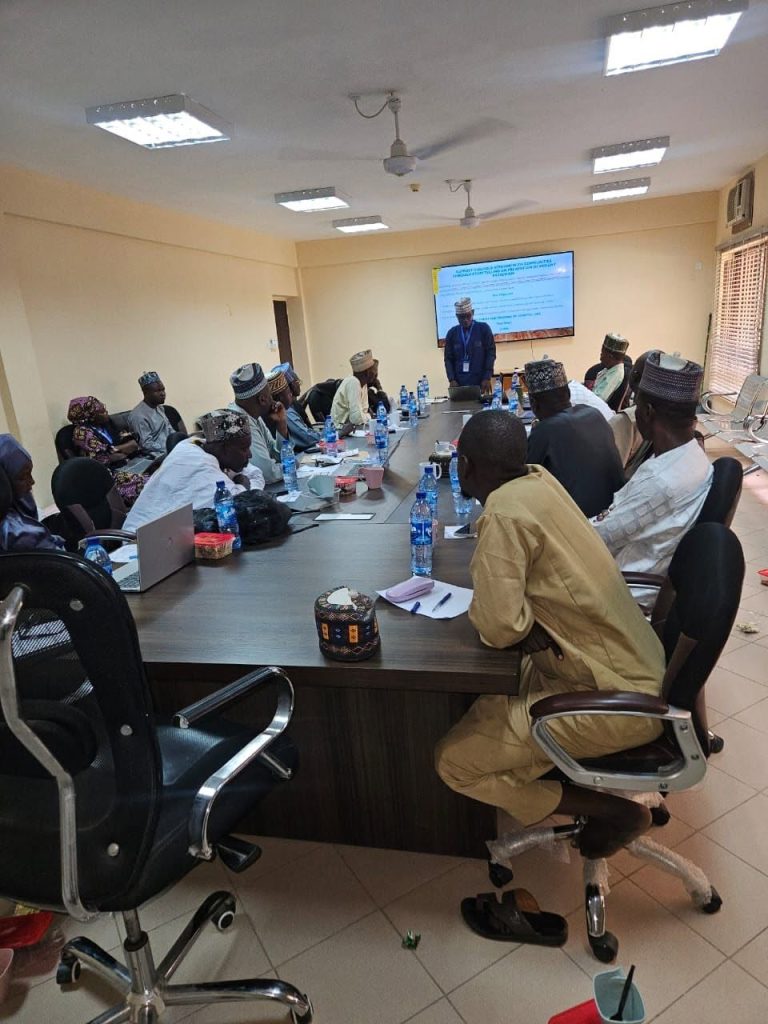
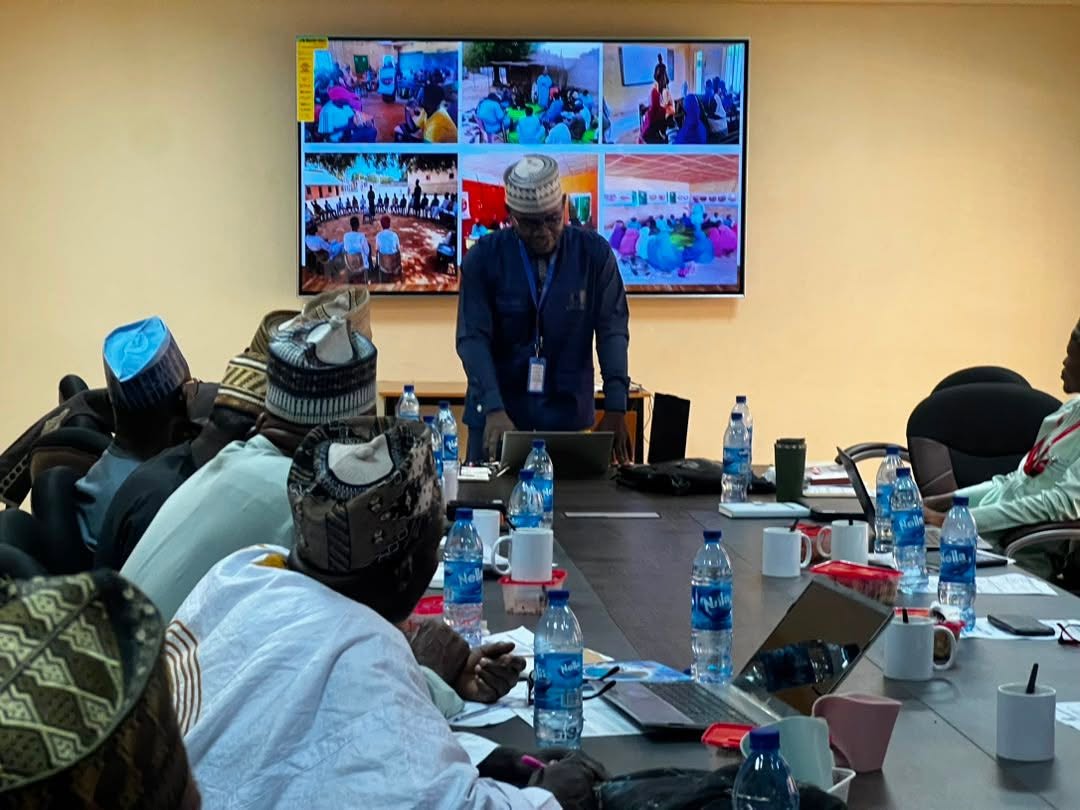
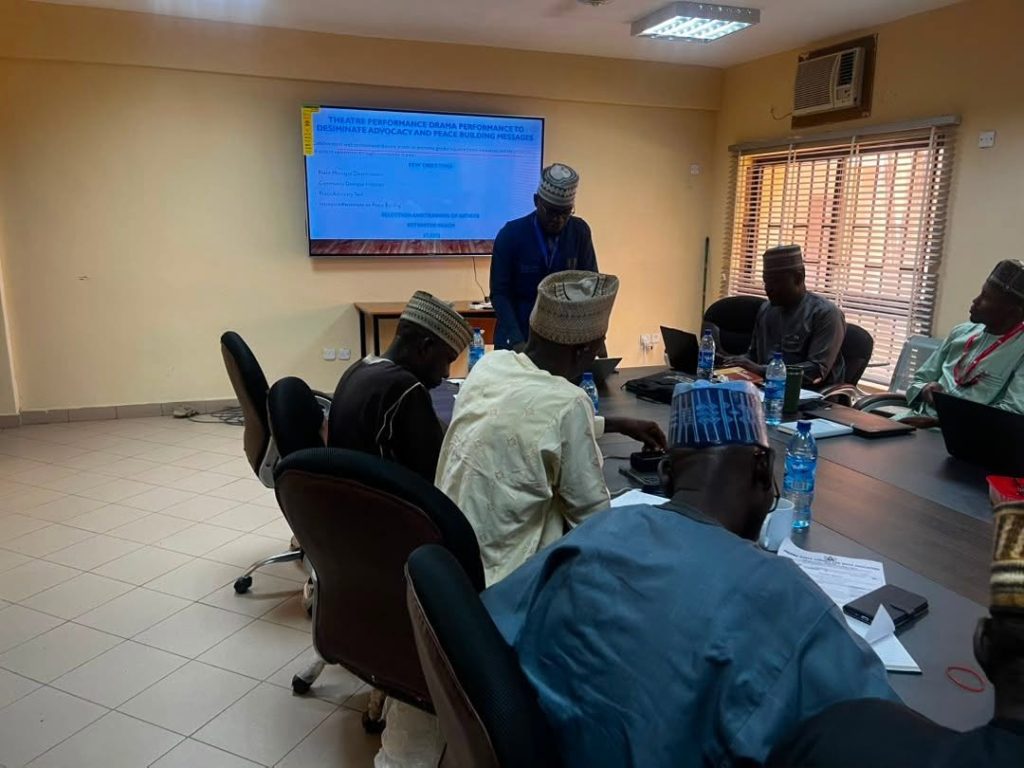
Jigawa State, Nigeria — The Dispute Resolution and Development Initiative (DRDI) has highlighted key achievements and ongoing interventions under Component 3 of the European Union Accelerated Basic Education Programme (EU-ABEP), focusing on Peacebuilding and Advocacy, during the Jigawa State Accelerated Education Working Group meeting.
The meeting brought together stakeholders and partners involved in the implementation of the EU-ABEP programme in Jigawa State to review progress, share experiences, discuss emerging issues, and strengthen coordination among implementing partners working to improve access to quality and inclusive education.
Representing DRDI, the team presented an overview of the organisation’s peacebuilding and advocacy interventions implemented under Component 3. The presentation highlighted DRDI’s efforts to create safer, more inclusive, and peaceful learning environments while strengthening the capacity of learners, communities, and other relevant stakeholders to contribute to peaceful coexistence.
Strengthening Peacebuilding in Learning Centres
A major focus of DRDI’s presentation was the organisation’s ongoing efforts to promote peace and social cohesion within learning centres and surrounding communities. Through targeted peacebuilding activities, DRDI is working to ensure that education spaces serve not only as places for learning but also as environments where children and young people can develop values of tolerance, respect, dialogue, and peaceful conflict resolution.
The organisation’s interventions include community dialogues, stakeholder advocacy, peace education, and the establishment of Peace Clubs within learning environments.
These activities provide opportunities for learners and community members to discuss issues affecting their communities, understand the importance of peaceful coexistence, and develop practical approaches to preventing and managing conflicts.
Community Dialogues and Stakeholder Engagement
Through community dialogues, DRDI continues to engage parents, community leaders, education stakeholders, learners, and other relevant actors on issues affecting education and peaceful coexistence.
The dialogues provide a platform for communities to identify challenges, share concerns, and collectively explore solutions that can contribute to safer and more supportive learning environments.
Stakeholder advocacy also remains an important component of DRDI’s approach. By engaging relevant stakeholders, the organisation seeks to strengthen ownership of peacebuilding and education interventions and encourage coordinated action towards addressing barriers to education.
Establishment of Peace Clubs
The presentation also highlighted the establishment and activities of Peace Clubs as an important strategy for promoting peace among learners.
The Peace Clubs provide learners with opportunities to develop leadership, communication, teamwork, tolerance, and conflict-resolution skills. Through interactive activities and peer engagement, members are encouraged to become ambassadors of peace within their learning centres, families, and communities.
The clubs also create a platform where young people can actively participate in promoting peaceful relationships and addressing issues that may affect their learning and social environment.
Collaboration with EU-ABEP Partners
The Working Group meeting provided an opportunity for DRDI and other organisations implementing the EU-ABEP programme in Jigawa State to share updates on their respective interventions and strengthen collaboration.
The engagement underscored the importance of coordinated efforts among development partners, government institutions, civil society organisations, communities, and other stakeholders in achieving sustainable improvements in education.
By sharing experiences and lessons learned, implementing partners can identify opportunities for stronger collaboration and ensure that interventions respond effectively to the needs of learners and communities.
Building Peaceful and Inclusive Learning Environments
DRDI’s participation in the meeting reaffirmed its commitment to advancing peacebuilding, social cohesion, inclusive education, and community participation.
The organisation recognises that sustainable progress in education goes beyond providing access to learning opportunities. It also requires creating environments where children feel safe, respected, included, and supported to learn and develop.
Through its peacebuilding and advocacy interventions under EU-ABEP, DRDI continues to work with communities and stakeholders to strengthen peaceful coexistence and contribute to more resilient and inclusive education systems in Jigawa State.
The organisation remains committed to working alongside government, development partners, communities, and other stakeholders to ensure that peacebuilding becomes an integral part of efforts to improve education outcomes and create opportunities for children and young people to thrive.
Through collective action, dialogue, and meaningful community engagement, DRDI continues to support the vision of peaceful communities and learning environments where every child has the opportunity to learn, grow, and reach their full potential.