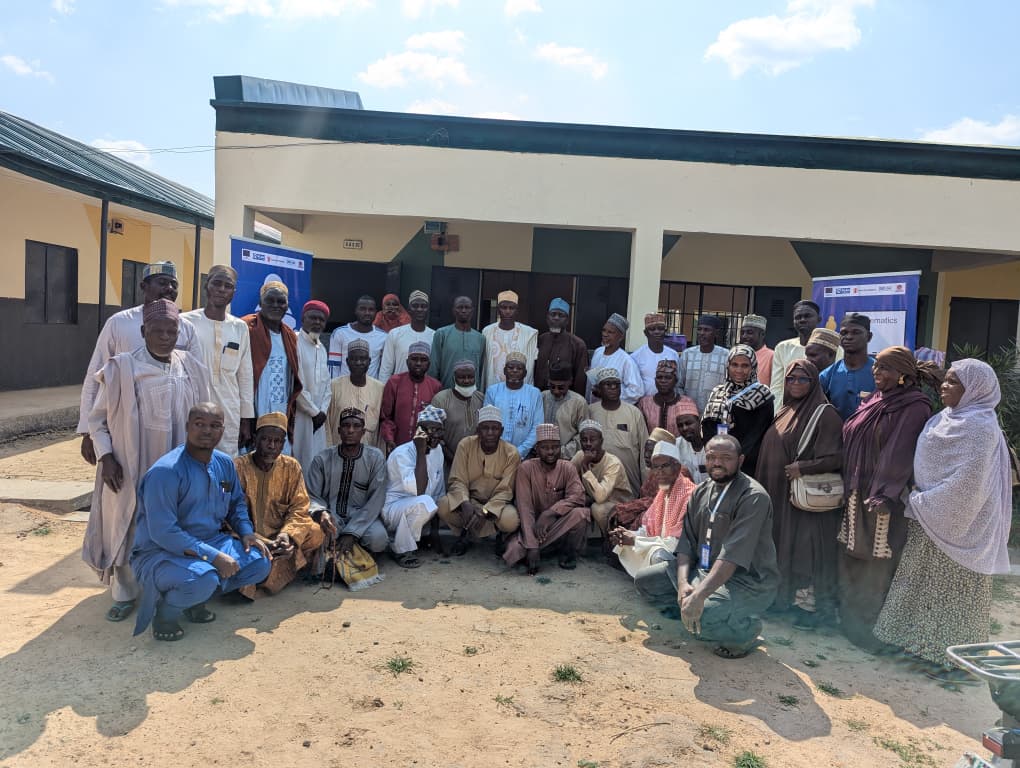
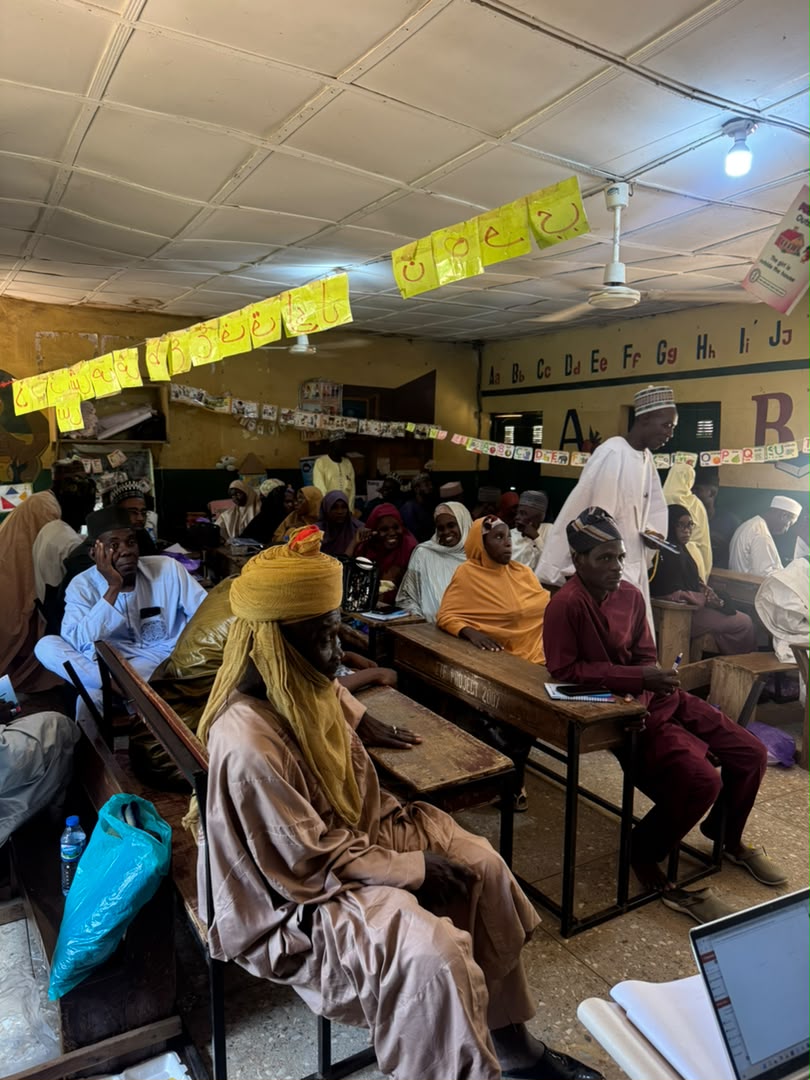
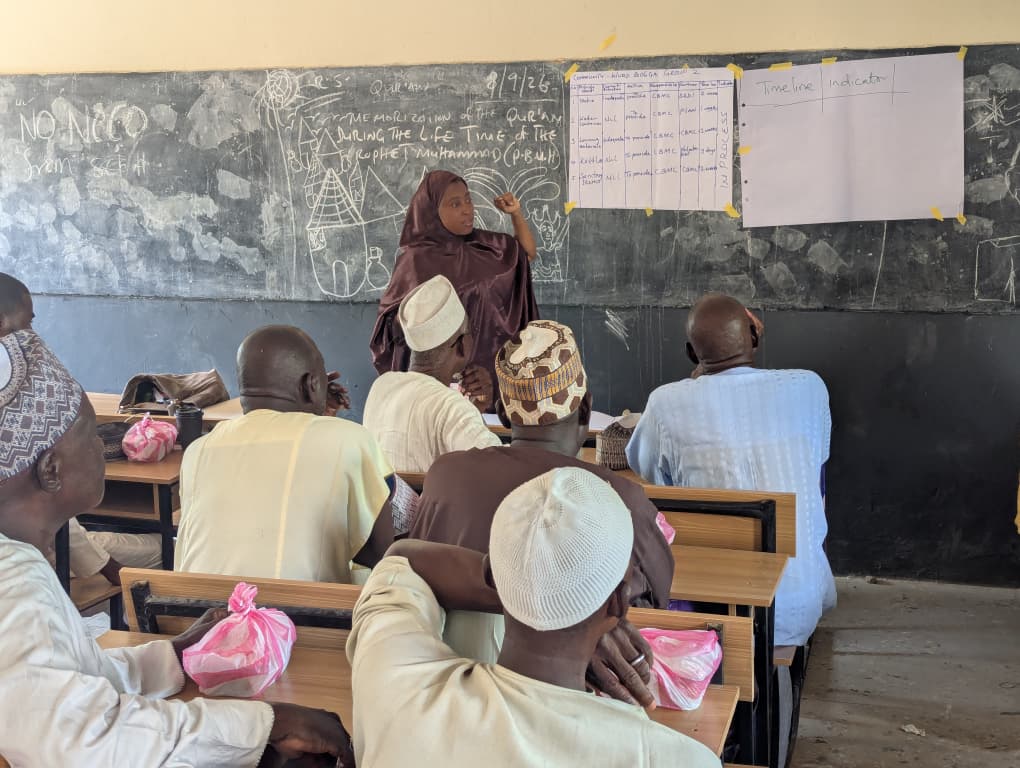
Kano State, Nigeria Community-Based Management Committee (CBMC) members from selected communities in Gwale, Nassarawa, and Kumbotso Local Government Areas of Kano State have participated in an inspiring refresher training aimed at strengthening community ownership, participation, and accountability in the management of schools.
The refresher sessions, held at Dukawuya Model Primary School, Gwale, as well as in Wuro Bogga, Nassarawa, and Kumbotso LGAs, provided an important platform for CBMC members to reflect on their roles in supporting schools and creating a safer, more inclusive, and conducive learning environment for children.
The training emphasized that meaningful improvements in education go beyond the classroom. When communities are actively involved in the affairs of their schools, they become better positioned to identify challenges, mobilize local resources, engage relevant stakeholders, and contribute to sustainable solutions.
Through the sessions, CBMC members were encouraged to move beyond simply identifying problems within their schools and communities to taking practical steps toward addressing those challenges. This approach reinforces the principle that communities are not merely beneficiaries of education interventions but important partners and drivers of sustainable change.
Strengthening School-Community Partnerships
CBMCs play a critical role in strengthening the relationship between schools and the communities they serve. By bringing together parents, community leaders, school representatives, and other relevant stakeholders, the committees provide a platform for dialogue, joint planning, monitoring, and collective action.
The refresher training therefore served as an opportunity to reinforce the knowledge and capacity of CBMC members to effectively perform these responsibilities.
Participants discussed ways of improving communication between schools and communities, encouraging greater parental involvement, promoting accountability, and supporting school development initiatives. The sessions also highlighted the importance of ensuring that children have access to a learning environment where they can feel safe, supported, and motivated to learn.
Creating Safer and More Conducive Learning Environments for Girls
A key focus of the engagement was the need to ensure that schools provide an environment where all children can learn and thrive, particularly girls who may face additional barriers to education.
CBMC members were encouraged to identify and address factors that can affect girls’ participation, attendance, retention, and learning. By strengthening community engagement and promoting collective responsibility, CBMCs can contribute significantly to creating schools where girls feel safe, respected, and supported.
The involvement of community members is particularly important because many of the challenges affecting children’s education are closely connected to the social and community environments in which they live. Stronger school-community partnerships can therefore help communities develop locally relevant solutions and ensure that interventions respond to actual needs.
From Identifying Problems to Driving Solutions
The refresher training reinforced a powerful message: community ownership is central to sustainable change in education.
Rather than waiting for external actors to identify and resolve every challenge, empowered communities can take the lead in understanding their own priorities and working with schools, government, development partners, and other stakeholders to address them.
This approach enables CBMCs to serve as bridges between schools and communities, ensuring that concerns are communicated, solutions are collectively developed, and progress is monitored.
The engagement also provided an opportunity for CBMC members to share experiences, reflect on challenges encountered in their respective communities, and explore practical ways of improving their contribution to school development.
Building Sustainable Impact
The training demonstrates that investment in education is not limited to infrastructure, teaching and learning materials, or classroom instruction. Sustainable educational development also requires strong community structures capable of supporting schools and advocating for the needs of children.
With strengthened knowledge and renewed commitment, CBMC members are better positioned to support their schools and promote greater community participation in education.
Their continued engagement can help ensure that schools become not only places of learning but also safe and supportive spaces where children, especially girls can develop their skills, confidence, and potential.
The initiative is being implemented with support from the European Union in Nigeria, in partnership with Plan International Nigeria, Save the Children Nigeria, and Save the Child Initiative – STCI Nigeria.
The collaboration reflects a shared commitment to strengthening community systems and improving educational outcomes for children in vulnerable communities.
As CBMC members return to their communities, the expectation is that the knowledge and commitments gained through the refresher training will translate into practical action stronger school-community relationships, increased community participation, improved accountability, and continued efforts to create safer and more conducive learning environments.
Ultimately, the experience demonstrates that when communities take ownership of education, they do more than identify problems, they become part of the solution.